 Linda Cain
Picture this: a crisp, sunny Sunday afternoon surrounded by your favorite people. The grill is fired up, music is playing, and the aroma of a delicious roast fills the air. We all know that a perfect Sunday roast can elevate any gathering, but for me, it’s about the beef.
Nothing beats the warmth of a well-cooked rib roast, accompanied by crispy vegetables and a splash of horseradish to kick it up a notch. You know that moment when you cut into the roast, and it basically falls apart? Yeah, that’s exactly what we’re aiming for with this recipe.
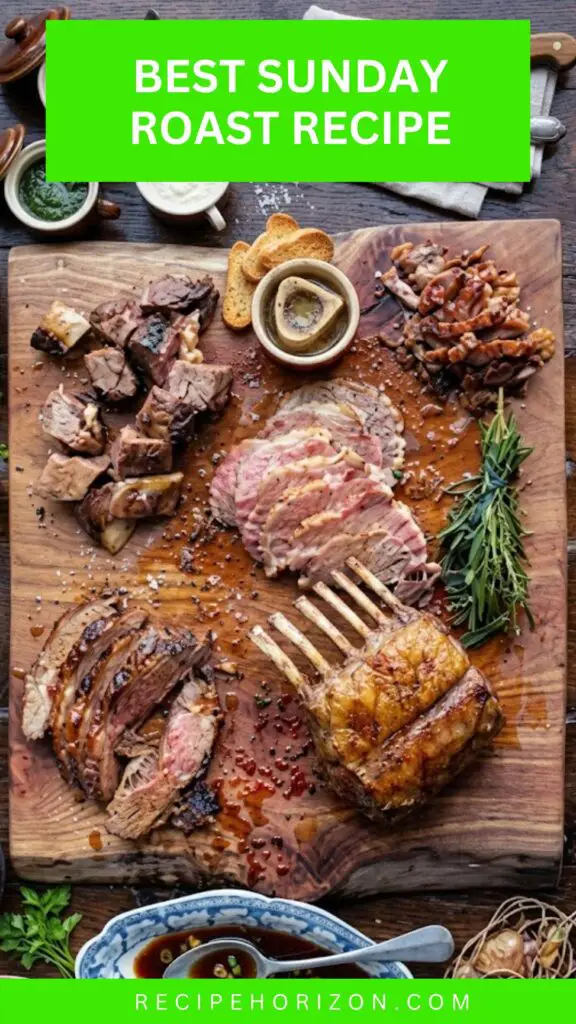
Ah, Sunday roasts. Those long-standing family traditions that not only bring everyone together around the table but also provide a delectable meal that feels like a warm hug. This isn’t just any roast; we’re talking about a juicy, flavorful rib roast that becomes even more irresistible with simple yet effective seasonings.
Add in some hearty sides, and you’ve got a spread that’ll have everyone diving in for seconds.
You Might Like These Recipes!
What is the Best Sunday Roast Recipe?
The best Sunday roast recipe revolves around creating a tender rib roast of beef, slow-cooked to perfection. Traditionally served with seasonal vegetables, this dish combines classic British flavors with a few tweaks to create a modern twist. The beauty of this dish lies in its simplicity and the incredible flavor that comes from quality ingredients like fresh herbs, garlic, and butter. You’ll be amazed at how a few pantry staples can elevate a beautiful cut of meat.
Why This Recipe Works
What sets this roast apart? It’s all about the details. The method of starting with a high-temperature sear creates a beautifully browned crust on the beef. The rest is about allowing the roast to rest perfectly, letting those juices redistribute. Add in flavorful vegetables that roast alongside the meat, and you’ve got yourself a winning dish. This recipe is incredibly forgiving, allowing even the novice cook to shine in the kitchen. The aroma wafting through your home will leave everyone guessing what secret ingredient you added to make it taste so good!
Ingredients You’ll Need To Make This Best Sunday Roast Recipe
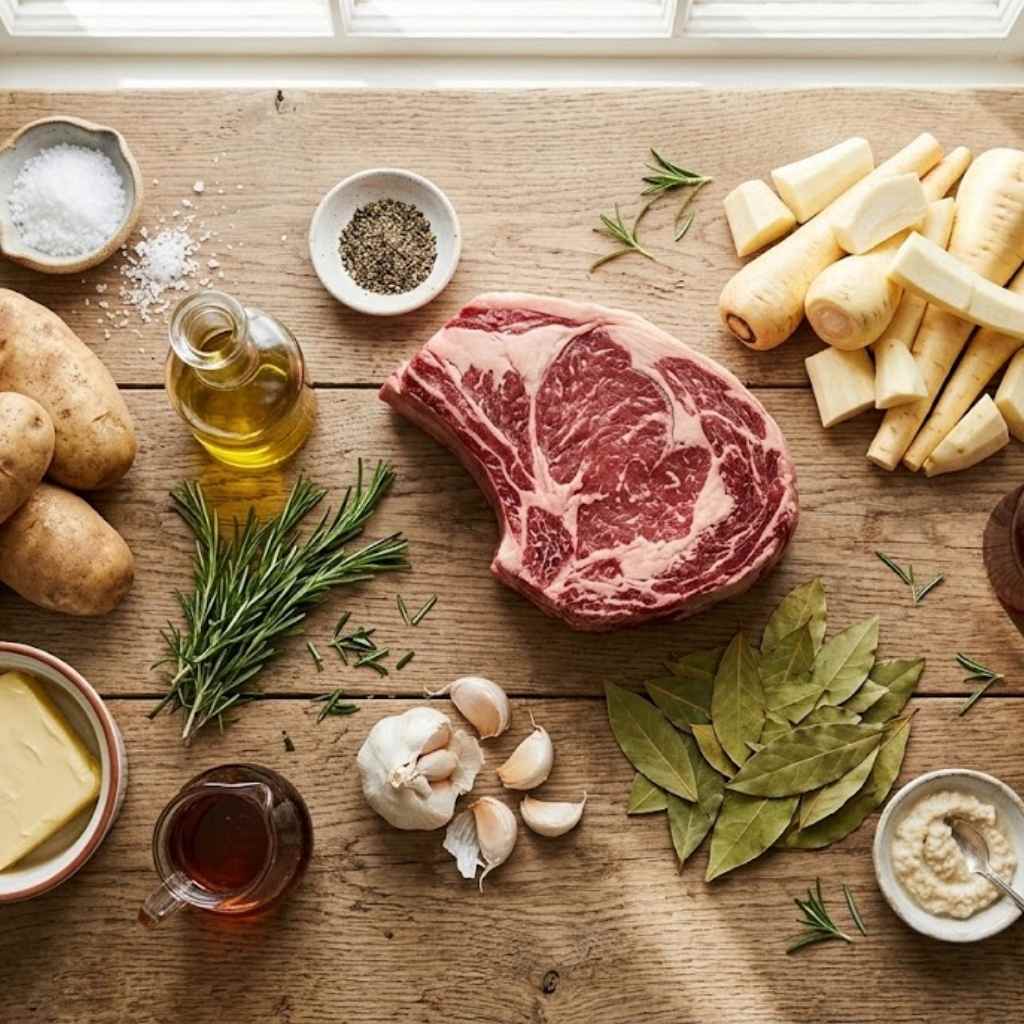
– 1 (5-pound) bone-in rib roast
– 1 heaping teaspoon of sea salt, plus extra for seasoning
– 1 heaping teaspoon of freshly cracked black pepper
– Olive oil
– 2 sprigs of fresh rosemary, chopped
– 3 pounds of russet potatoes
– 1 pound of parsnips, peeled and cut into chunks (or substitute with more potatoes)
– 4 tablespoons (2 oz) of room temperature unsalted butter
– 2 tablespoons of maple syrup (for added sweetness)
– 1 whole head of garlic, cloves separated but not peeled
– 20 bay leaves, providing depth of flavor (optional)
– 6 tablespoons of red wine vinegar or cider vinegar
– Prepared horseradish and Dijon mustard for serving
Ingredients From : leitesculinaria.com
How to Make the Best Sunday Roast Recipe?
Once you gather your ingredients, you’re ready to dive into the cooking process. The steps below are straightforward, so don’t sweat it! Let’s get this roast in the oven.
Step-by-Step Directions
Step 1: Prepare the Roast
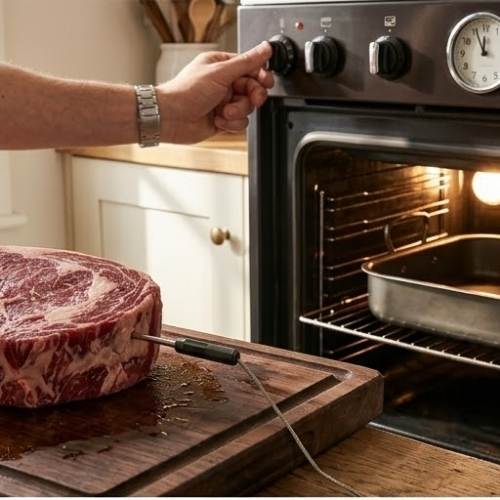
Take your rib roast out of the fridge about 30 minutes before cooking. This brings the meat to room temperature, ensuring that it cooks evenly. While you wait, preheat your oven to 475°F (246°C). Big tip: Place your largest roasting pan in the oven while it heats. This tip is crucial for that beautiful crust to form earlier in the cooking process.
Step 2: Seasoning the Roast
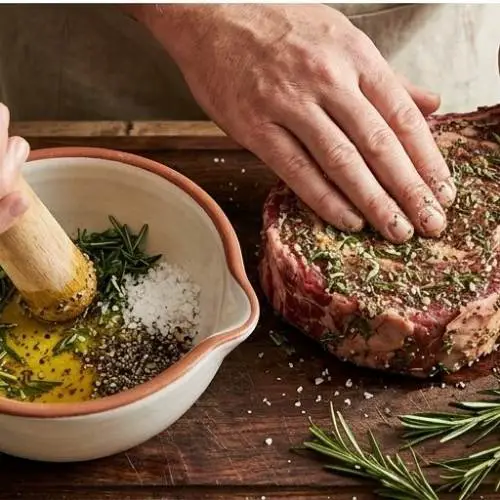
Take two sprigs of chopped rosemary and place them in a small bowl with a heaping teaspoon of salt and cracked pepper. Use the flat side of a heavy knife or a mortar and pestle to create a coarse paste. Drizzle some olive oil in and rub this mixture all over the surface of the beef. This paste not only seasons the meat but also forms a lovely crust during roasting.
Step 3: Roast the Beef
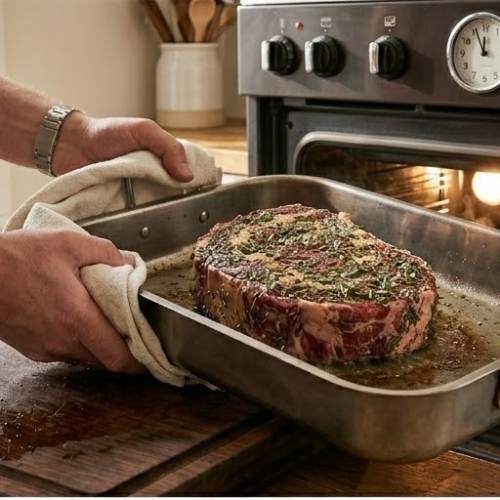
Carefully place the seasoned roast, fatty side up, in your hot roasting pan. Cook it uncovered for about 50 minutes if you prefer a rare to medium-rare finish, adding a little time for medium. The goal is for the internal temperature to reach about 125°F (52°C) before resting.
Step 4: Cook the Vegetables
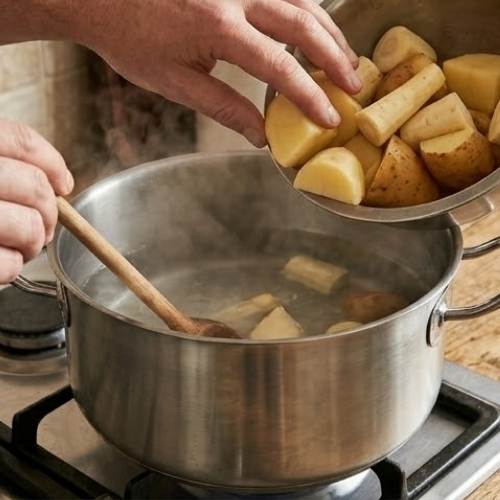
While the roast cooks, bring a large pot of salted water to a boil. As that water heats, peel the russet potatoes and parsnips. Cut them into chunky pieces, about 1 inch. Once the water is boiling, drop those veggies in, letting them cook until they’re slightly tender — about 10 minutes should do. Drain the vegetables in a colander, shaking them gently to release excess moisture.
Step 5: Let the Beef Rest
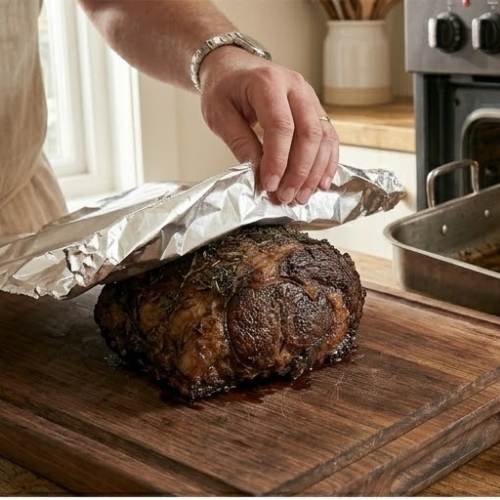
Carefully move the roast to a plate and cover loosely with foil. Let it rest for about 30 minutes. This step is key; the meat will stay juicy, and you’ll have time to prep those gorgeous vegetables. Dot the roast with about two tablespoons of the butter and brush the maple syrup over the top using the reserved rosemary sprigs.
Step 6: Prepare the Vegetables for Roasting
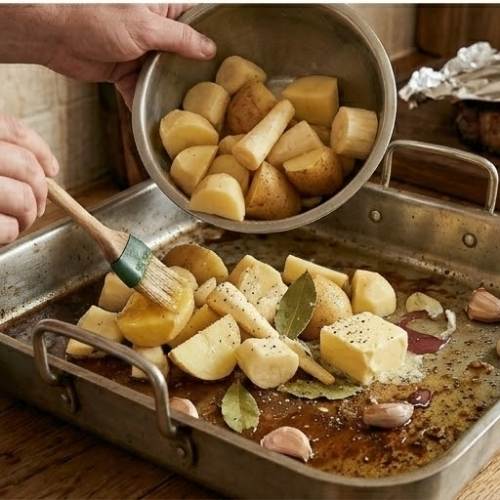
Smash the garlic cloves (leaving the skins on) and add them to your empty roasting pan along with the remaining butter and bay leaves. Pour in the vinegar, and then add the par-boiled potatoes and parsnips, seasoning generously with salt and pepper. Toss everything together so that the veggies are well-coated. Place this pan back in the oven and roast for another 30 minutes, or until everything is golden and crisp.
Step 7: Carve the Roast
When the veggies are almost finished, it’s time to carve the roast. If you see any butcher’s twine on the meat, remove it first. Collect any juices that pooled on the plate and place them in a small, heat-safe dish to keep warm. Start carving by sliding the knife between the bones and the meat. Trim away any visible fat and slice the remaining roast into tender pieces.
Step 8: Serve and Enjoy!
Use the rosemary sprigs as brushes again to coat the carved roast with the savory juices collected on the cutting board. Plate the meat with the crispy roasted vegetables and serve a generous side of prepared horseradish and Dijon mustard for a zesty kick.
Tips
– Reverse Sear for Tenderness: For an even better crust, consider reverse searing by cooking at a low temperature first before blasting at high heat.
– Resting is Essential: Always allow meat to rest; this keeps it juicy and flavorful.
– Mix Up the Herbs: Feel free to experiment with herbs like thyme or oregano for a different flavor profile.
– Don’t Rush the Veggies: Make sure to cook the vegetables until they’re crispy. A good roast is nothing without those irresistible roasted roots!
– Temperature Matters: Invest in an instant-read thermometer; it takes the guesswork out of cooking meat perfectly.
How to Store the Leftovers?
If you happen to have any roast beef left over (which is rare at my table!), let it cool to room temperature first. Wrap it well with aluminum foil or place it in an airtight container. It will last up to 3 days in the fridge. If you want to keep it longer, portion the beef into freezer-safe bags and store it in the freezer for up to 3 months. When reheating, make sure to do it at a low temperature to preserve moisture.
What Are Some Recommended Side Dishes for the Best Sunday Roast Recipe?
– Roasted Brussels Sprouts: These lend a slight bitterness that pairs well with the rich beef. Toss with olive oil, salt, and pepper, and roast until crispy.
– Yorkshire Puddings: A traditional favorite, these fluffy delights complement the rich flavors of the roast. Serve them with gravy for the ultimate treat.
– Creamy Mashed Potatoes: Simple and satisfying, whip up these potatoes with butter, cream, and a bit of salt for a classic pairing.
– Green Bean Almondine: Fresh green beans sautéed with almonds add a nice crunch and a splash of color to your plate.
– Gravy: Don’t forget a good homemade gravy made from the pan drippings! It’s essential for drizzling over the roast and potatoes.
If the Items Are Not Available in Your Pantry, What Are Some Substitute Options for the Ingredients?
– Bone-In Rib Roast: Chuck roast or tenderloin can be used, although they may differ in tenderness and fat content.
– Fresh Rosemary: Dried rosemary or thyme can work well; just reduce the quantity as dried herbs are more potent.
– Russet Potatoes: If you’re out of russet potatoes, Yukon Gold or red potatoes are excellent alternatives for roasting.
– Parsnips: If parsnips are hard to find, try substituting them with carrots or sweet potatoes for a different flavor profile.
– Red Wine Vinegar: Balsamic vinegar or even apple cider vinegar can work in a pinch, just look for a weaker acidity balance to avoid overpowering the dish.

Best Sunday Roast Recipe
Ingredients
Equipment
Method
- Take your rib roast out of the fridge about 30 minutes before cooking. This brings the meat to room temperature, ensuring that it cooks evenly. While you wait, preheat your oven to 475°F (246°C). Big tip: Place your largest roasting pan in the oven while it heats. This tip is crucial for that beautiful crust to form earlier in the cooking process.
- Take two sprigs of chopped rosemary and place them in a small bowl with a heaping teaspoon of salt and cracked pepper. Use the flat side of a heavy knife or a mortar and pestle to create a coarse paste. Drizzle some olive oil in and rub this mixture all over the surface of the beef. This paste not only seasons the meat but also forms a lovely crust during roasting.
- Carefully place the seasoned roast, fatty side up, in your hot roasting pan. Cook it uncovered for about 50 minutes if you prefer a rare to medium-rare finish, adding a little time for medium. The goal is for the internal temperature to reach about 125°F (52°C) before resting.
- While the roast cooks, bring a large pot of salted water to a boil. As that water heats, peel the russet potatoes and parsnips. Cut them into chunky pieces, about 1 inch. Once the water is boiling, drop those veggies in, letting them cook until they’re slightly tender — about 10 minutes should do. Drain the vegetables in a colander, shaking them gently to release excess moisture.
- Carefully move the roast to a plate and cover loosely with foil. Let it rest for about 30 minutes. This step is key; the meat will stay juicy, and you’ll have time to prep those gorgeous vegetables. Dot the roast with about two tablespoons of the butter and brush the maple syrup over the top using the reserved rosemary sprigs.
- Smash the garlic cloves (leaving the skins on) and add them to your empty roasting pan along with the remaining butter and bay leaves. Pour in the vinegar, and then add the par-boiled potatoes and parsnips, seasoning generously with salt and pepper. Toss everything together so that the veggies are well-coated. Place this pan back in the oven and roast for another 30 minutes, or until everything is golden and crisp.
- When the veggies are almost finished, it’s time to carve the roast. If you see any butcher’s twine on the meat, remove it first. Collect any juices that pooled on the plate and place them in a small, heat-safe dish to keep warm. Start carving by sliding the knife between the bones and the meat. Trim away any visible fat and slice the remaining roast into tender pieces.
- Use the rosemary sprigs as brushes again to coat the carved roast with the savory juices collected on the cutting board. Plate the meat with the crispy roasted vegetables and serve a generous side of prepared horseradish and Dijon mustard for a zesty kick.
Nutrition
Notes
Tried this recipe?
Let us know how it was!FAQs
Q: Can I make this recipe ahead of time?
A: Yes! You can prepare the beef by seasoning it and letting it rest before roasting, which can maximize flavor. However, cooking is recommended for the freshest taste.
Q: How do I know when my roast is done?
A: An instant-read thermometer is your best friend here. Aim for 125°F for rare, 135°F for medium-rare, and 145°F for medium.
Q: Can the rib roast be cooked slowly?
A: Absolutely! For more tenderness, try cooking it at a low temperature (around 225°F) for several hours before searing at the end for a crispy crust.
Q: What if I don’t have a roasting pan?
A: Any oven-safe dish with a bit of depth will work. Just make sure it can handle high heats and allows air circulation around the meat.
Q: Is it necessary to include bay leaves?
A: They add a fragrant note that enhances the overall dish, but if you don’t have any, feel free to skip them or substitute with another herb like sage.
Conclusion
Whether you’re an experienced home cook or just getting started, mastering the Sunday roast is about embracing the process and enjoying the company of those you’re feeding. With this recipe in your arsenal, you have a crowd-pleaser that’s sure to impress any guest.
So gather your ingredients, invite loved ones over, and let the deliciousness of this succulent rib roast do the rest. Happy roasting!