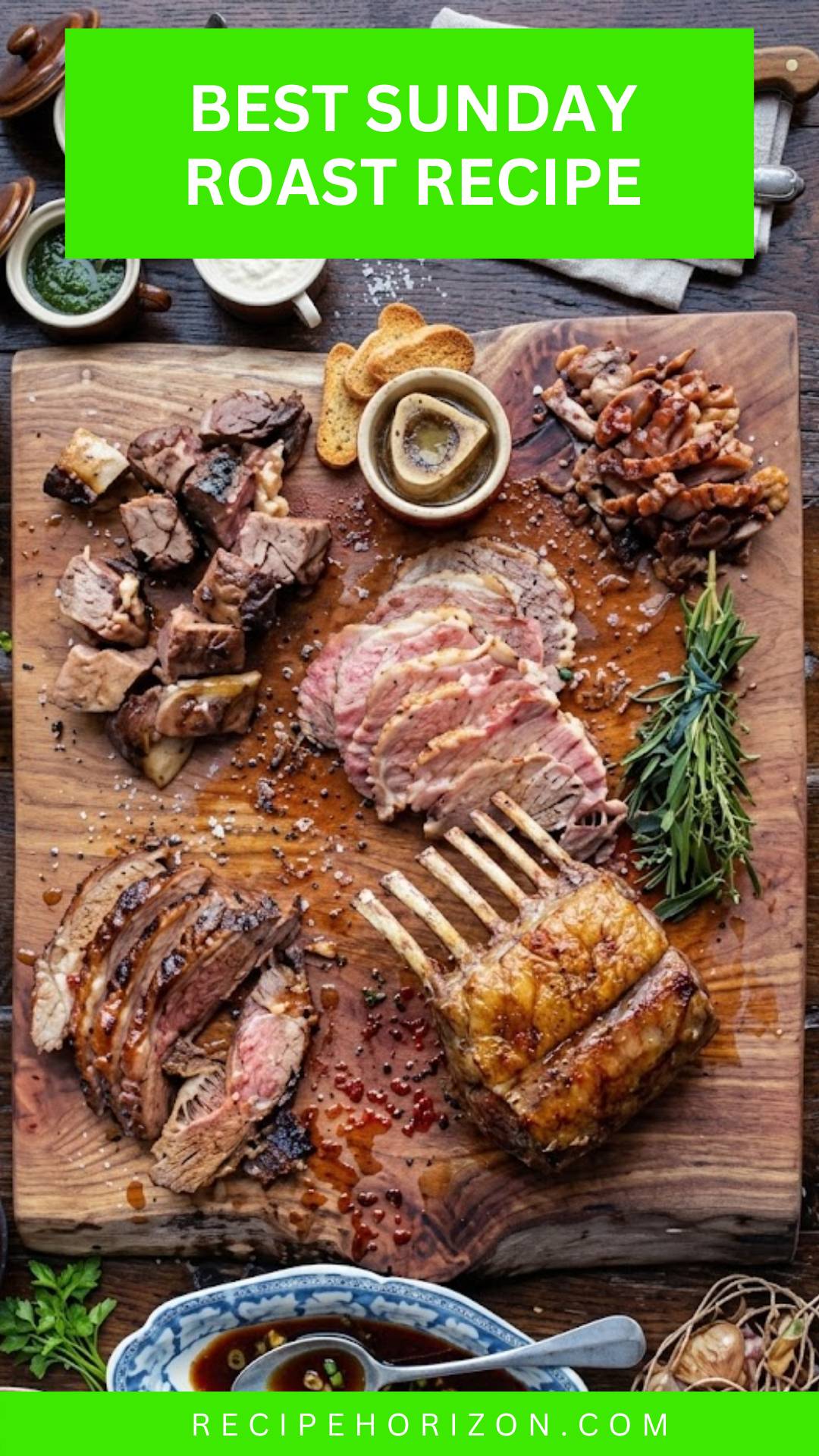

Ingredients
Equipment
Method
Step 1: Prepare the Roast
- Take your rib roast out of the fridge about 30 minutes before cooking. This brings the meat to room temperature, ensuring that it cooks evenly. While you wait, preheat your oven to 475°F (246°C). Big tip: Place your largest roasting pan in the oven while it heats. This tip is crucial for that beautiful crust to form earlier in the cooking process.
Step 2: Seasoning the Roast
- Take two sprigs of chopped rosemary and place them in a small bowl with a heaping teaspoon of salt and cracked pepper. Use the flat side of a heavy knife or a mortar and pestle to create a coarse paste. Drizzle some olive oil in and rub this mixture all over the surface of the beef. This paste not only seasons the meat but also forms a lovely crust during roasting.
Step 3: Roast the Beef
- Carefully place the seasoned roast, fatty side up, in your hot roasting pan. Cook it uncovered for about 50 minutes if you prefer a rare to medium-rare finish, adding a little time for medium. The goal is for the internal temperature to reach about 125°F (52°C) before resting.
Step 4: Cook the Vegetables
- While the roast cooks, bring a large pot of salted water to a boil. As that water heats, peel the russet potatoes and parsnips. Cut them into chunky pieces, about 1 inch. Once the water is boiling, drop those veggies in, letting them cook until they're slightly tender — about 10 minutes should do. Drain the vegetables in a colander, shaking them gently to release excess moisture.
Step 5: Let the Beef Rest
- Carefully move the roast to a plate and cover loosely with foil. Let it rest for about 30 minutes. This step is key; the meat will stay juicy, and you’ll have time to prep those gorgeous vegetables. Dot the roast with about two tablespoons of the butter and brush the maple syrup over the top using the reserved rosemary sprigs.
Step 6: Prepare the Vegetables for Roasting
- Smash the garlic cloves (leaving the skins on) and add them to your empty roasting pan along with the remaining butter and bay leaves. Pour in the vinegar, and then add the par-boiled potatoes and parsnips, seasoning generously with salt and pepper. Toss everything together so that the veggies are well-coated. Place this pan back in the oven and roast for another 30 minutes, or until everything is golden and crisp.
Step 7: Carve the Roast
- When the veggies are almost finished, it’s time to carve the roast. If you see any butcher’s twine on the meat, remove it first. Collect any juices that pooled on the plate and place them in a small, heat-safe dish to keep warm. Start carving by sliding the knife between the bones and the meat. Trim away any visible fat and slice the remaining roast into tender pieces.
Step 8: Serve and Enjoy!
- Use the rosemary sprigs as brushes again to coat the carved roast with the savory juices collected on the cutting board. Plate the meat with the crispy roasted vegetables and serve a generous side of prepared horseradish and Dijon mustard for a zesty kick.
Nutrition
Notes
- Reverse Sear for Tenderness: For an even better crust, consider reverse searing by cooking at a low temperature first before blasting at high heat.
- Resting is Essential: Always allow meat to rest; this keeps it juicy and flavorful.
- Mix Up the Herbs: Feel free to experiment with herbs like thyme or oregano for a different flavor profile.
- Don’t Rush the Veggies: Make sure to cook the vegetables until they’re crispy. A good roast is nothing without those irresistible roasted roots!
- Temperature Matters: Invest in an instant-read thermometer; it takes the guesswork out of cooking meat perfectly.