
Ingredients
Equipment
Method
Step 1: Prepare the Vegetables
- Start by washing the green papaya and carrots thoroughly under running water. For maximum safety, it’s important to use cut-resistant gloves, especially when you slice the vegetables. I love using a mandolin slicer for even, thin pieces. Slice the green papaya and carrots carefully until you have a nice, consistent julienne. For the bell pepper, a simple chef’s knife will do. Aim for thin, uniform slices to ensure they pickle nicely.
Step 2: Brining the Veggies
- Once your vegetables are sliced, combine the julienned papaya, carrots, and bell pepper in a large mixing bowl. Sprinkle the tablespoon of salt over the vegetables and mix thoroughly, ensuring everything is coated well. Leave the mixture on the counter for about 30 minutes. This time allows the salt to draw out moisture and start the brining process, which is key for that crunched-up texture.
Step 3: Rinse and Drain
- After the brining time, place the vegetable mixture in a strainer and rinse them under cold water. This helps remove excess salt, resulting in a perfectly balanced final product. Now, transfer the rinsed veggies to a cheesecloth or clean kitchen towel and wring it out gently. You want to squeeze out as much water as possible, which concentrates the flavor and improves the crunch.
Step 4: Jar the Vegetables
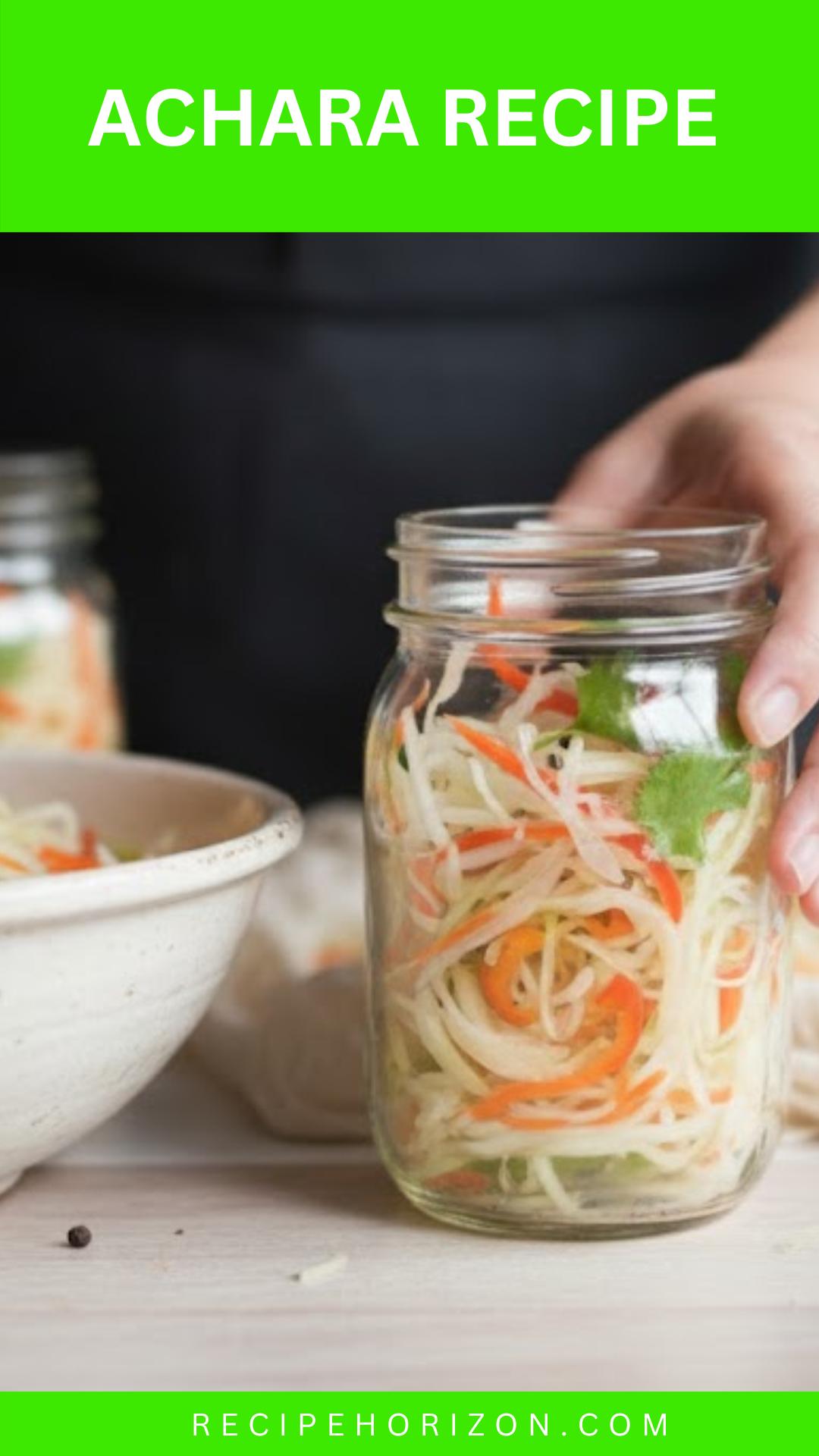
- Now comes the fun part! Carefully distribute the drained vegetable mixture evenly into your sanitized mason jars. Make sure not to pack them too tightly; they need a bit of room to breathe.
Step 5: Prepare the Brine
- In a small saucepan, combine the cane vinegar, sliced garlic, granulated sugar, and the remaining salt. Heat this mixture over medium heat until it comes to a gentle boil. Keep stirring until the sugar is fully dissolved. Lower the heat and let it simmer for another minute. You want everything well combined but don't overcook it.
Step 6: Fill the Jars
- With the brine prepared, carefully pour the hot mixture over the vegetables in each jar. You want to make sure the brine covers all the veggies completely; this ensures even pickling. Use a chopstick to gently push the vegetables down if any are floating above the brine.
Step 7: Cool and Refrigerate
- Seal the mason jars tightly with their lids and let them sit at room temperature until they cool. Afterward, transfer them to the fridge. You should ideally let them pickle for at least two days before trying them out to allow all those lovely flavors to meld.
Nutrition
Notes
- Use fresh produce: Ensure all vegetables are fresh and crisp for the best taste.
- Experiment with spices: Consider adding spices like black peppercorns or bay leaves for additional flavor.
- Safety first: Always wear cut-resistant gloves while slicing to prevent any mishaps.
- Don’t skip the brining time: It’s essential for flavor development!
- Make it spicy: For those who enjoy a bit of heat, add a few slices of chili peppers to the mix.